Don't Just Go With the Cheapest Bid
Look, I get it. Everyone wants to save a buck. But when it comes to something as permanent and visible as stamped concrete, going for the absolute lowest bid is almost always a mistake. I’ve seen it time and again here in Maryville. You get a quote that seems too good to be true, and guess what? It usually is. A contractor cutting corners on materials, prep work, or experience means you'll pay for it later, either in repairs or having to tear it out and start over. Good work isn't cheap, and cheap work isn't good. Always remember that.
Not Checking References or Past Work
This is a huge one. Before you let anyone lay a single yard of concrete on your property, ask to see their previous work. Not just pictures on a website – ask for addresses of jobs they’ve done recently, especially stamped concrete. Drive by them. See how they look a year or two later. Talk to those homeowners if you can. A reputable contractor, like us at Allied Concrete, will be proud to show off their projects. If they hem and haw or only show you perfect, freshly poured photos, that's a red flag. You want to see how their work holds up to our East Tennessee weather, the freezes and thaws, and the general wear and tear.
Ignoring Proper Site Preparation
Stamped concrete isn't just about pouring and stamping. The foundation is everything. If the ground isn't properly graded, compacted, and reinforced, your beautiful new patio or driveway is going to crack, settle, and look terrible in no time. I've seen folks try to save money by skimping on the base, especially in areas with tricky soil, like some of the clay-heavy spots we have around Louisville Road. You need good drainage, a solid sub-base, and often rebar or wire mesh. If your contractor isn't talking about this in detail, they're not doing it right. This isn't an optional step; it's foundational to longevity.
Choosing the Wrong Pattern or Color for Your Home
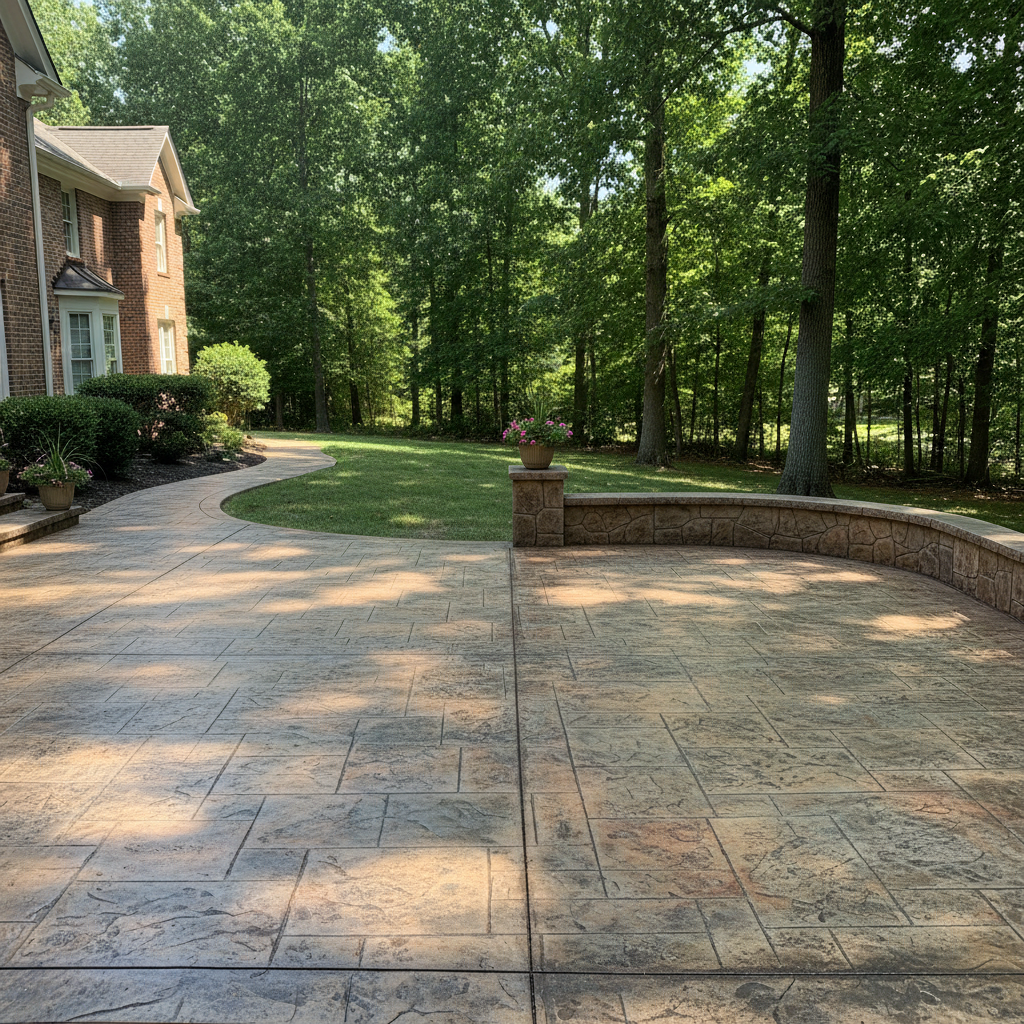
This might seem less critical than structural issues, but trust me, it's a big deal. Stamped concrete is a permanent design choice. You don't want to pick a pattern or color that clashes with your house's style or existing landscaping. I've seen people go for really bold, dark colors that absorb too much heat on a south-facing patio, making it unusable in the summer. Or they pick a super intricate pattern that looks busy with their home's simple lines. Think about your home's architecture, the surrounding environment, and how much sunlight the area gets. Ask your contractor for samples, and even better, ask if they can show you examples of patterns and colors they've done on homes similar to yours. A good contractor will guide you here, not just let you pick blindly from a catalog.
Not Understanding Maintenance Requirements
Stamped concrete isn't maintenance-free. It needs to be sealed periodically to protect it from the elements, prevent fading, and keep it looking good. How often depends on exposure to sun, traffic, and our local weather. If your contractor tells you it's a 'set it and forget it' solution, they're not being honest. You need to know what kind of sealer they're using, how often it should be reapplied, and what kind of cleaning is best. Neglecting sealing is a sure way to see your investment fade and deteriorate faster than it should. We always make sure our clients know the drill for keeping their Allied Concrete projects looking sharp for years.
Failing to Get a Clear Contract and Warranty
Never, ever proceed without a detailed, written contract. This contract should spell out everything: the scope of work, materials used, specific colors and patterns, timeline, payment schedule, and what happens if there are delays or issues. Crucially, it should include a warranty. What does the warranty cover? How long does it last? What voids it? If a contractor is hesitant to put everything in writing, or their contract is vague, walk away. You need protection, and a clear contract provides that. It protects both you and the contractor, preventing misunderstandings down the road.
Underestimating the Mess and Disruption
Pouring concrete is a big job. There's excavation, heavy equipment, noise, and dust. It's going to disrupt your yard and your daily routine for a bit. Don't go into it thinking it's a quick, clean process. Talk to your contractor about how they'll manage the site, protect your existing landscaping, and clean up afterward. A good contractor will minimize the inconvenience, but there will always be some. Being prepared for it helps manage expectations and reduces stress during the project.
By keeping these points in mind, you'll be much better equipped to hire the right crew and get a stamped concrete project that you'll love for years, without any regrets. Do your homework, ask the tough questions, and don't rush into anything.