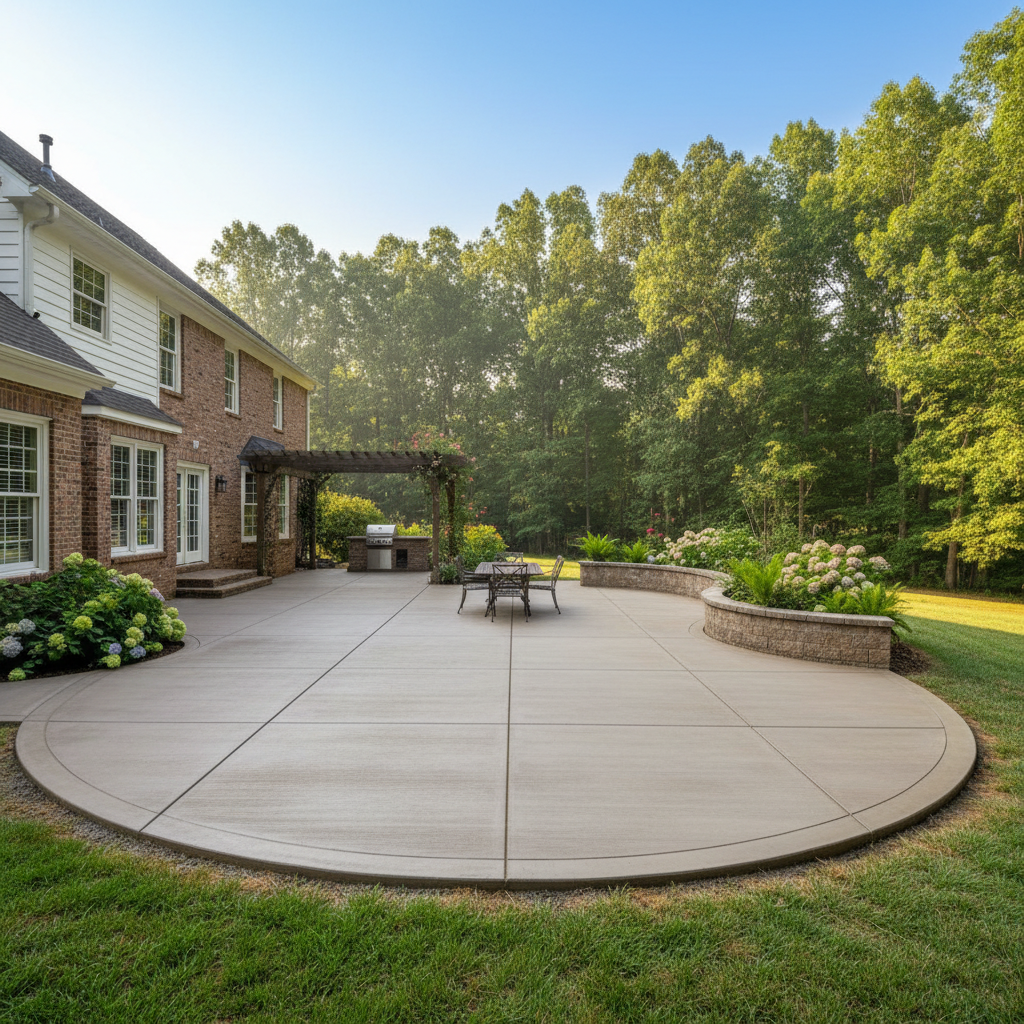
Finding a good concrete contractor can sometimes feel like you're just throwing darts in the dark. You're entrusting a lot of money, and a good chunk of your property, to someone else. Here in Maryville, we've got plenty of folks doing concrete work, but honestly, they're not all created equal. You really want someone who knows their stuff, backs up their work, and won't just vanish halfway through. As someone who's poured a lot of concrete around here over the years, I've seen the good, the bad, and the truly awful. Let me give you the real lowdown on how to pick the right crew for your project.
Start with the Right Questions
When you're chatting with a potential contractor, don't hold back. This is your home, your money we're talking about. You're actually interviewing them, not the other way around. Here are some questions I'd definitely ask:
How long have you been in business? Experience really counts, especially with concrete. This isn't something you want someone learning on your new driveway, right?
Can you give me references from recent jobs? And don't just nod along; actually call those references. Ask them about communication, if the job finished on time, and if the work has held up.
Are you licensed and insured? This is a must-have, no exceptions. If they're not, you're setting yourself up for a world of hurt if something goes wrong. We're talking worker injuries on your property or damage to your home. Make absolutely sure their insurance covers general liability and workers' compensation.
What's your process for getting the site ready and pouring the concrete? A good contractor will clearly explain their steps. They should talk about proper grading, the base material they use, rebar or mesh, and how they'll cure the concrete. If they gloss over these details, that's a big red flag.
What kind of concrete mix do you use, and what's the PSI? For driveways or patios, you generally want at least a 4000 PSI mix. Some contractors might try to save a buck with a weaker mix, and that'll definitely come back to bite you later, especially with our freeze-thaw cycles here in East Tennessee.
How do you handle expansion joints and control joints? These are super important for stopping cracks. They should have a clear plan for where and how often they'll put them in.
What's your warranty like? A reputable contractor will stand behind what they build. Get those warranty details in writing.
Who will be on site actually managing the project? You want to know who your main contact person is.
Understanding the Quote: More Than Just a Number
A quote isn't just a price tag; it's a detailed list of exactly what you're getting. Don't just stare at the bottom line. Here's what a solid quote from a company like Allied Concrete should include:
Detailed Scope of Work: This should clearly list every single thing they're doing. Demolition, excavation, base material, concrete thickness, the type of finish (broom, smooth, stamped), rebar/mesh, control joints, and cleanup. If it's not listed, just assume it's not part of the deal.
Materials Specified: What concrete mix? What kind of rebar or mesh? Any sealers they're planning to use?
Timeline: A realistic start and finish date. Concrete work depends on the weather, so there might be some wiggle room, but they should give you an estimate.
Payment Schedule: Be very cautious of anyone asking for a huge upfront deposit. A reasonable deposit (10-30%) is pretty normal, with progress payments or the final payment due when the job's done and you're happy.
Permits: Who's responsible for pulling any necessary permits? In Maryville, depending on the project, you might need one. A good contractor will either handle this or walk you through the process.
Total Cost: Obviously, the final price. Make sure it covers everything, or clearly states what could be an extra charge.
Spotting Red Flags
Trust your gut feeling. If something seems off, it probably is. Here are some definite things to watch out for:
High-Pressure Sales Tactics: "Sign today or the price goes up!" Just turn around and walk away. A good contractor doesn't need to strong-arm you into anything.
No Contract or a Vague Contract: Everything absolutely needs to be in writing. If they're working off a handshake, you're just asking for trouble down the road.
Cash-Only Deals: This is a massive red flag for tax evasion and usually means they're not legitimate or insured. You'll have no paper trail at all if things go sideways.
Unusually Low Bid: If one quote is way, way lower than all the others, there's a reason for it. They're probably cutting corners on materials, labor, or insurance. You truly get what you pay for, especially when it comes to concrete.
No References or Bad References: If they can't give you any, or if the ones they do give sound hesitant, that's a real problem.
Out-of-State License Plates/Contractors: While not always bad, you should be extra careful here. It's much harder to track them down if there's an issue, and they might not understand local codes or the unique soil conditions we have around the foothills near Chilhowee Mountain.
Verifying Legitimacy
You can't just take someone's word for it these days, can you? Do your homework:
Check Licenses and Insurance: Ask for copies of their general contractor's license (if your project needs one) and their certificates of insurance for general liability and workers' compensation. Call the insurance company directly to confirm they're current and cover the contractor for the type of work you need done.
Look Them Up Online: Check the Better Business Bureau (BBB) for their rating and any complaints. Look at Google reviews, Facebook, or other local review sites. Don't just look for perfect scores; see how they respond to negative feedback – that tells you a lot.
Secretary of State Website: In Tennessee, you can often verify a business registration through the Secretary of State's website. This just confirms they're a real business entity.
Local Building Department: If a permit is required, you can often check with the Maryville or Blount County building department to see if they've pulled permits before and if they have any issues on record.
Visit Past Projects: If they give you references, ask if you can drive by and look at the work. See how it looks a year or two later. That's the real test of how good their concrete is.
Hiring a concrete contractor doesn't have to be a huge headache. By asking the right questions, really looking at those quotes, watching out for red flags, and doing a little bit of checking, you can find a solid, reliable crew. You'll end up with a quality concrete job that lasts, and that's exactly what you want for your home here in Maryville.